

SEO: A Beginner’s Guide to Search Engine Optimization
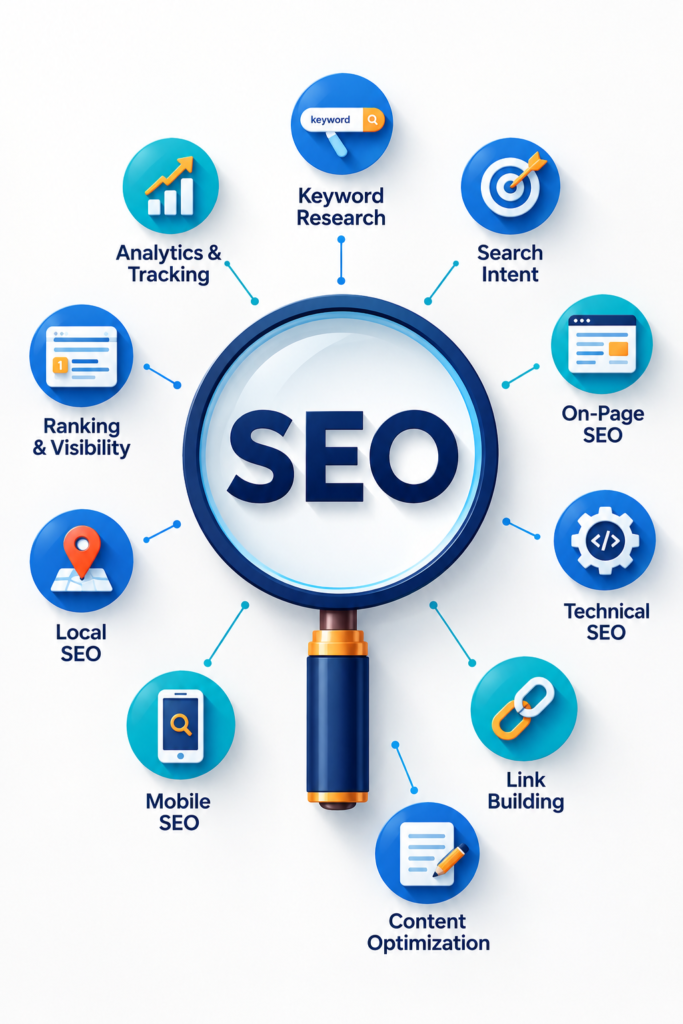
SEO for beginners is the process of learning how search engines work and how to optimize a website so it can appear higher in search results. In this beginner-friendly guide, you will learn the basics of SEO, including keywords, on-page SEO, technical SEO, and off-page SEO.
What Is SEO? A Beginner’s Guide
SEO stands for Search Engine Optimization. SEO for beginners is the process of improving a website and its content so that search engines can better understand it and people can find it through relevant search queries.
For example, if someone searches for “digital marketing agency near me”, businesses offering digital marketing services may want their websites to appear in relevant search results.
As a result, SEO helps businesses improve their organic visibility without relying entirely on paid advertising.
Why Is SEO Important for Beginners?
Learning SEO for beginners can help website owners look great, but if people cannot find it, it may not achieve its purpose.
For example, SEO can help businesses:
- Increase organic website traffic
- Improve online visibility
- Reach people actively searching for relevant information
- Build credibility and trust
- Generate potential leads
- Create long-term online visibility
One of the biggest advantages of SEO is that it focuses on people who are already searching for something related to your business, service or content.
How Does SEO Work for Beginners?
Search engines use automated systems to discover, understand and organize web pages.
When someone performs a search, the search engine tries to provide results that are relevant and useful for that particular query.
However, this means SEO is not simply about adding keywords to a webpage.
Instead, modern SEO involves understanding search intent, content quality, website structure, user experience, technical performance and many other factors.
The Main Types of SEO for beginners
SEO can be divided into several important areas.First, these areas include on-page SEO, technical SEO, off-page SEO and local SEO.
1. On-Page SEO
On-page SEO focuses on elements that are directly present on your website.
This can include:
- Page titles
- Headings
- Relevant keywords
- Content quality
- Internal links
- Image optimization
- Meta descriptions
- URL structure
For example, if you are writing an article about social media marketing, your page should clearly communicate the topic to both readers and search engines.
2. Technical SEO
In addition, technical SEO focuses on the technical aspects of a website that can affect how search engines crawl, understand and access its pages.
Technical SEO focuses on the technical aspects of a website that can affect how search engines crawl, understand and access its pages.
Important areas can include:
- Website speed
- Mobile usability
- Website security
- Crawlability
- Indexing
- Site architecture
- Structured data
A technically healthy website provides a stronger foundation for SEO.
3. Off-Page SEO
Off-page SEO involves activities that take place outside your own website.
One important area is earning links from other relevant and trustworthy websites.
Furthermore, other external signals can also contribute to how a website is discovered and perceived online.
The key idea is that SEO is not limited to changing things on your own website.
4. Local SEO
Local SEO is particularly important for businesses that serve customers in a specific geographic area.
For example, a salon, restaurant, clinic or local marketing agency may want to appear when people search for relevant services in their city.
Therefore, a strong local SEO strategy can involve maintaining accurate business information, creating relevant local content and managing your online presence across relevant platforms.
What Are Keywords in SEO?
Keywords are words or phrases that people type into search engines.
For example:
“digital marketing course”
“SEO services for small business”
“how to improve website SEO”
Keyword research helps marketers understand what their audience is searching for.
However, the goal should not be to repeat a keyword as many times as possible.
Instead, keywords should be used naturally while creating useful content that satisfies the user’s search intent.
What Is Search Intent for Beginners?
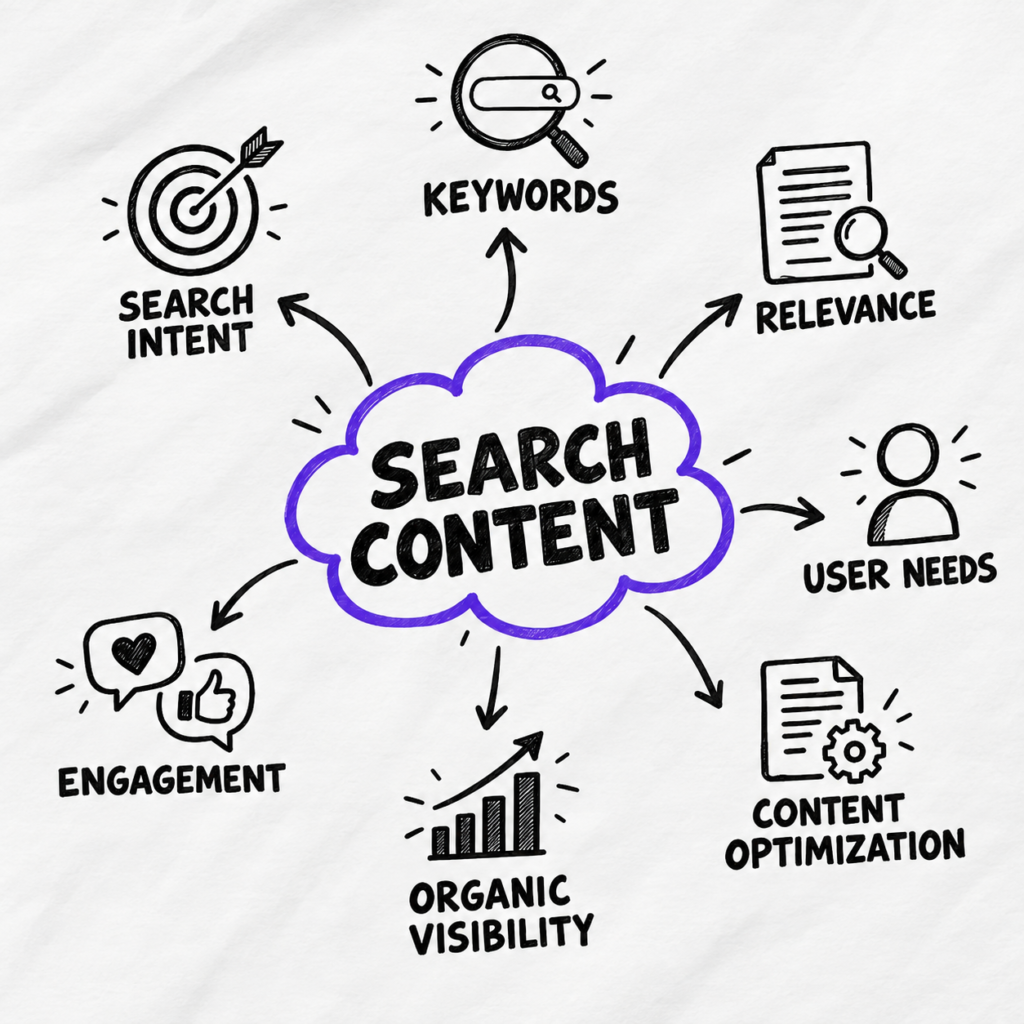
Search intent refers to the reason behind a person’s search.
Someone searching for:
“What is SEO for beginners?”
is probably looking for information.
Someone searching for:
“best SEO agency in Delhi”
may be researching service providers.
Someone searching for:
“SEO course price”
may be comparing learning options.
Understanding search intent helps marketers create content that matches what users actually want.
SEO for beginners vs Paid Advertising
SEO and paid advertising can both help businesses gain online visibility, but they work differently. However, SEO and paid advertising can both help businesses gain online visibility, but they work differently. Therefore, many businesses use a combination of organic and paid strategies depending on their goals.
With paid advertising, businesses pay to display advertisements according to the advertising platform’s system.
SEO focuses on improving organic visibility in search results.
SEO can take time because websites need to build useful content, authority and technical foundations. Paid advertising can provide visibility through advertising campaigns while the campaign is active.
Many businesses use a combination of organic and paid strategies depending on their goals.
Common SEO Mistakes to Avoid-However, beginners should also be aware of some common SEO mistakes.
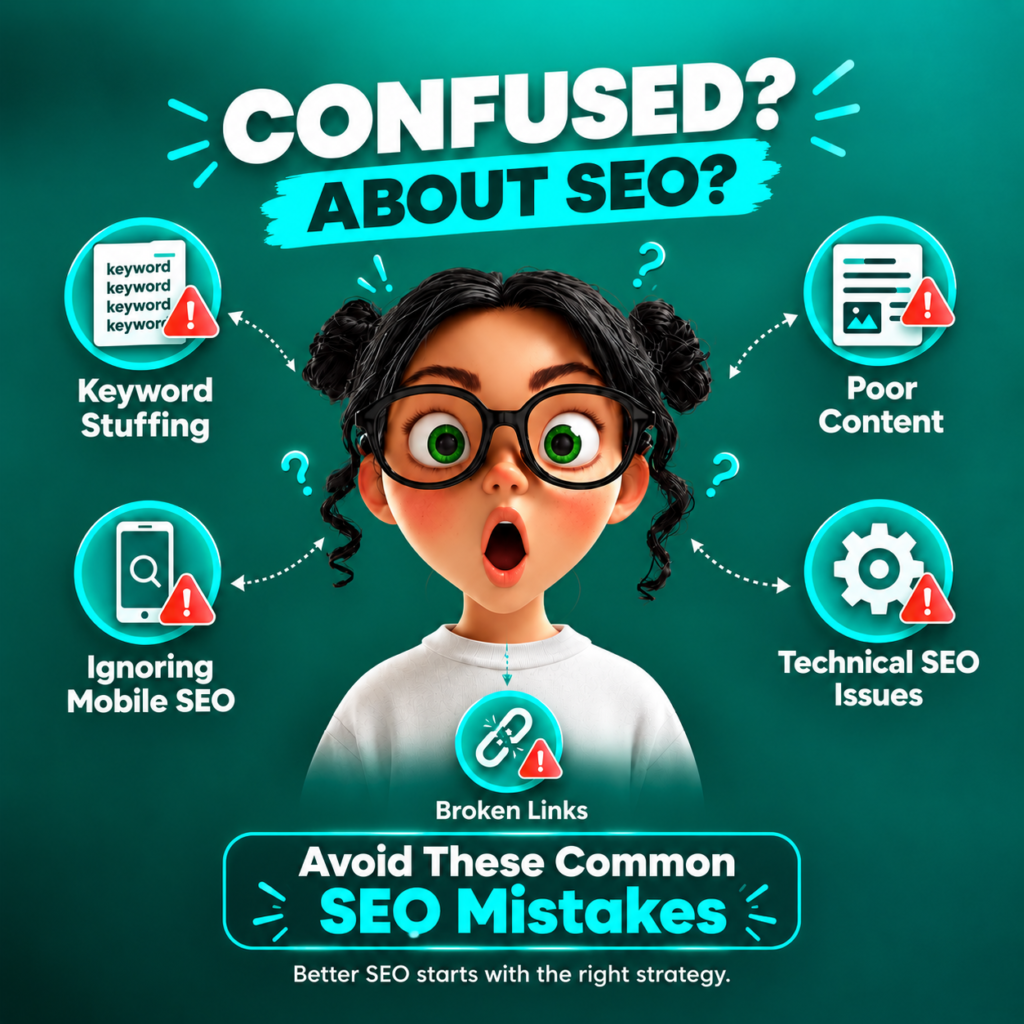
Keyword Stuffing
Repeating the same keyword excessively can make content difficult to read and may not provide a good user experience.
Creating Content Only for Search Engines
Content should be created primarily to help people. Search engines increasingly focus on whether content is useful and relevant to users.
Ignoring Mobile Users
A large number of people access websites through mobile devices, so your website should provide a good experience across different screen sizes.
Forgetting Technical SEO
Even excellent content can face problems if search engines cannot properly access, crawl or understand your website.
Expecting Instant Results
SEO is generally a long-term process. Results can vary depending on the website, competition, industry, content and many other factors.
How to Start SEO for Your Beginners?
If you are new to SEO, start with the basics.
Step 1: Understand your audience
Identify who you want to reach and what information they are looking for.
Step 2: Research relevant keywords
Find search terms that are connected to your services, topics and audience.
Step 3: Create useful content
Write content that answers real questions and provides genuine value.
Step 4: Optimize your pages
Improve titles, headings, URLs, images, internal links and other relevant on-page elements.
Step 5: Improve your technical foundation
Make sure your website is accessible, mobile-friendly and technically sound.
Step 6: Measure your performance
Use SEO and analytics tools to understand how people are discovering and interacting with your website.
Step 7: Keep improving
SEO requires continuous learning, testing and optimization.
Final Thoughts
SEO is much more than ranking a website on Google.
At its core, SEO is about helping people find useful, relevant and accessible information when they search online.
A successful SEO strategy combines audience research, quality content, technical optimization and continuous improvement.
For marketers, learning SEO is valuable because it connects content, technology, user behavior and business goals.
The most important mindset is simple:
Don’t create content just to rank. Create content that deserves to be found.
— Bhumika Yadav